

7 Ways Pool Replastering Restores Pool Surfaces
A swimming pool can remain a valuable part of a North Texas home for years, but its interior surface does not stay new forever. Sun exposure, changing water chemistry, regular use, and age can gradually affect plaster, leaving the pool looking worn or feeling less comfortable. When surface deterioration becomes noticeable, pool replastering can provide a practical way to refresh the interior and prepare the pool for continued enjoyment.
For homeowners in Allen, Plano, McKinney, Frisco, Dallas, and surrounding North Texas communities, resurfacing can also be a timely project as outdoor entertaining becomes more appealing. A renewed finish can improve the appearance of the water, create a smoother swimming environment, and give an older pool a refreshed character. Here are seven ways a professional surface restoration can make a difference.
1. Smoothing Rough and Uncomfortable Areas
One of the clearest benefits of resurfacing is restoring a smoother interior. Aging plaster can become rough, uneven, or abrasive in areas that receive constant exposure to water and activity. That texture may be especially noticeable on steps, benches, shallow areas, and the pool floor.
A professionally applied new finish creates a more consistent surface throughout the pool. This can make entering, exiting, and swimming more comfortable for people of different ages and activity levels. Smoothness is not simply an aesthetic detail; it contributes to the overall experience of using the pool.
2. Refreshing Faded and Discolored Surfaces
Pool surfaces can lose visual appeal as they age. Discoloration, staining, mineral deposits, and general fading can make water appear less inviting even when routine cleaning is being performed. In some cases, an older finish can make the entire backyard look dated.
Replacing the worn interior finish provides an opportunity to establish a cleaner, more cohesive appearance. Homeowners can consider finish options that complement existing tile, coping, decking, landscaping, and other outdoor features. The result can be a pool that looks refreshed without requiring a complete redesign of the surrounding space.
3. Addressing Surface Wear and Minor Damage
Every day exposure eventually takes a toll on a pool surface. Small chips, cracks, peeling areas, and other signs of deterioration can become increasingly visible over time. While not every surface imperfection means a major structural problem exists, visible wear is an important reason to have the pool professionally evaluated.
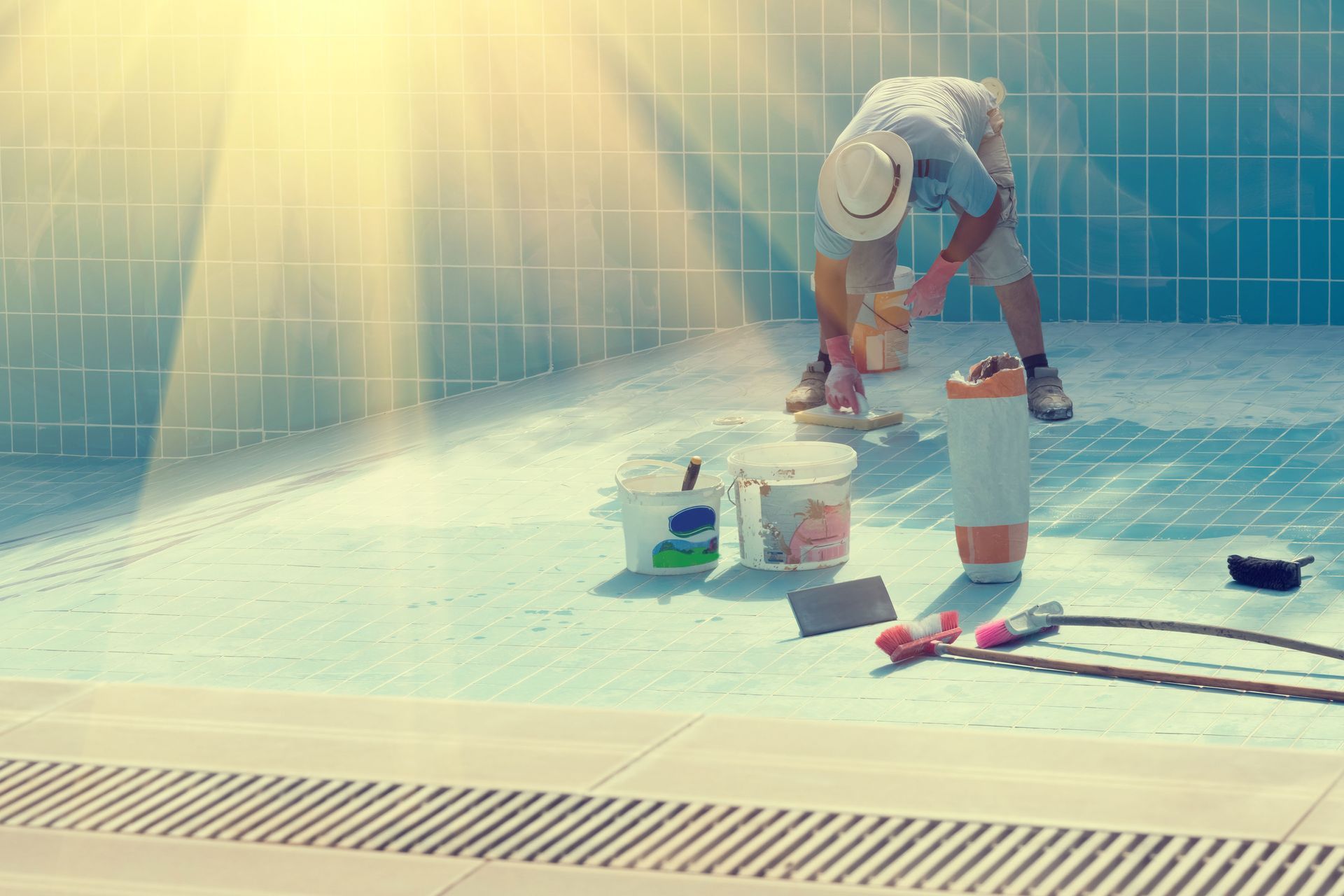
During pool replastering, the existing finish is removed, and the surface is prepared for a new application. Professional preparation matters because the new material needs an appropriate foundation to achieve a durable, uniform result. Addressing surface deterioration as part of a planned renovation can help prevent a neglected finish from becoming a larger concern.
4. Improving Water Appearance and Finish Quality
The interior finish has a direct effect on how a pool looks when filled. Color, texture, and material can influence the way light interacts with the water, helping create different visual effects. A fresh finish can make the pool look brighter, cleaner, and more inviting.
Homeowners also have choices beyond traditional white plaster. Depending on the pool and desired appearance, finishes can include quartz or pebble options. Each material creates a different texture and visual character, so professional guidance can help property owners select an option suited to their goals, existing features, and expectations.
5. Supporting Long-Term Pool Maintenance
A renewed surface does not eliminate routine pool care, but it can provide a better foundation for ongoing maintenance. An appropriately installed finish can make the interior easier to keep looking clean and attractive while supporting a comfortable swimming environment.
According to HomeGuide, the typical lifespan of pool plaster ranges from 7 to 12 years. That lifespan varies with factors such as water chemistry, maintenance, material selection, and installation quality. Because no finish lasts indefinitely, watching for changes in texture, color, cracking, or other visible wear can help homeowners determine when a professional assessment is appropriate. Planning ahead can also make it easier to schedule work around seasonal pool use.
6. Coordinating Tile and Surrounding Features
The pool interior is only one part of the overall outdoor space. Waterline tile, coping, and decking contribute to both appearance and function, and an aging interior finish may highlight wear in these neighboring areas. Updating related features during a renovation can create a more unified result.
A new plaster or specialty finish can be selected to work with existing tile, or homeowners may choose to update tile at the same time. Coordinating colors, patterns, and textures can help an older pool feel intentionally refreshed rather than partially updated. Professional pool remodeling services can evaluate how the different elements work together and help create a cohesive finished space.
7. Preparing Pools for Continued Enjoyment
North Texas homeowners often look forward to spending more time outdoors when the weather is favorable. A pool with a visibly worn interior can detract from that experience, particularly when the surrounding backyard has already been improved. Restoring the surface can help the pool feel ready for family gatherings, entertaining, exercise, and everyday relaxation.
Professional pool replastering also allows the project to be considered as part of the pool's broader condition. Instead of focusing only on cosmetic changes, homeowners can discuss the existing finish, desired material, tile, coping, and other relevant features with an experienced contractor. This approach helps ensure the renovation addresses the pool as a complete environment.
The timing of pool replastering can also matter. Planning surface work before peak swimming season can make it easier to enjoy the completed project. Weather, scheduling, material availability, and the condition of the existing pool can all influence the ideal project timeline. A professional evaluation can help clarify what work is appropriate and whether additional improvements should be coordinated with the surface renovation.
The finish selected for a pool can influence both its appearance and the way the surface feels underfoot. Traditional plaster offers a classic appearance, while quartz and pebble finishes can provide additional texture and visual variation. The right choice depends on the existing pool, the desired look, maintenance expectations, and the homeowner's priorities. Professional pool replastering services can help explain the differences between available finishes without treating every pool as though it needs the same solution.
Surface restoration can also be an opportunity to think beyond immediate appearance. A pool is exposed to water, chemicals, sunlight, weather, and repeated use, so material selection and professional application are important considerations. Homeowners benefit from discussing the condition of the existing surface and the intended use of the pool before selecting a finish. This can support a renovation that is practical as well as visually appealing.
For homeowners who are unsure whether visible wear calls for resurfacing, an evaluation before pool replastering can provide useful direction. Staining, roughness, chips, cracks, fading, or changes in texture are worth discussing with a qualified professional. Pool replastering is not necessarily about changing everything; it can be a focused way to restore the interior while preserving features that still suit the property.
A well-planned renovation can make an older pool feel substantially more inviting without changing the basic layout. That can be particularly valuable for homeowners who like the existing size, shape, and location of their pool but want the interior to look and feel renewed. With thoughtful material selection and professional installation, the surface can become a strong visual foundation for the rest of the backyard.
A refreshed pool surface can bring together appearance, comfort, and practical maintenance considerations while extending the useful life of the pool environment. For North Texas homeowners considering a renovation, Advanced Plaster & Tile provides professional swimming pool plastering and related tile, coping, and deck replacement services, with more than 25 years of experience serving the area. Contact the team to discuss your pool surface and request a free estimate for your project.
Share On: