

7 Hidden Benefits of Restoring Your Pools Plaster and Tile
A swimming pool is an important part of many outdoor living spaces, providing opportunities for relaxation, exercise, and entertainment. However, years of exposure to chemicals, sunlight, and regular use can gradually wear down its plaster and tile. While restoring these surfaces can improve a pool's appearance, the benefits go beyond aesthetics. Investing in professional restoration can help protect the pool's structure, improve comfort, and make routine maintenance easier.
A professional pool replastering service can address worn or damaged surfaces while giving homeowners an opportunity to refresh their pool's overall appearance. It can also help correct surface imperfections that affect comfort and make cleaning more difficult. By restoring these important features, homeowners can maintain a more inviting swimming environment and help protect their investment for years to come.
1. Improving Swimming Comfort and Surface Texture
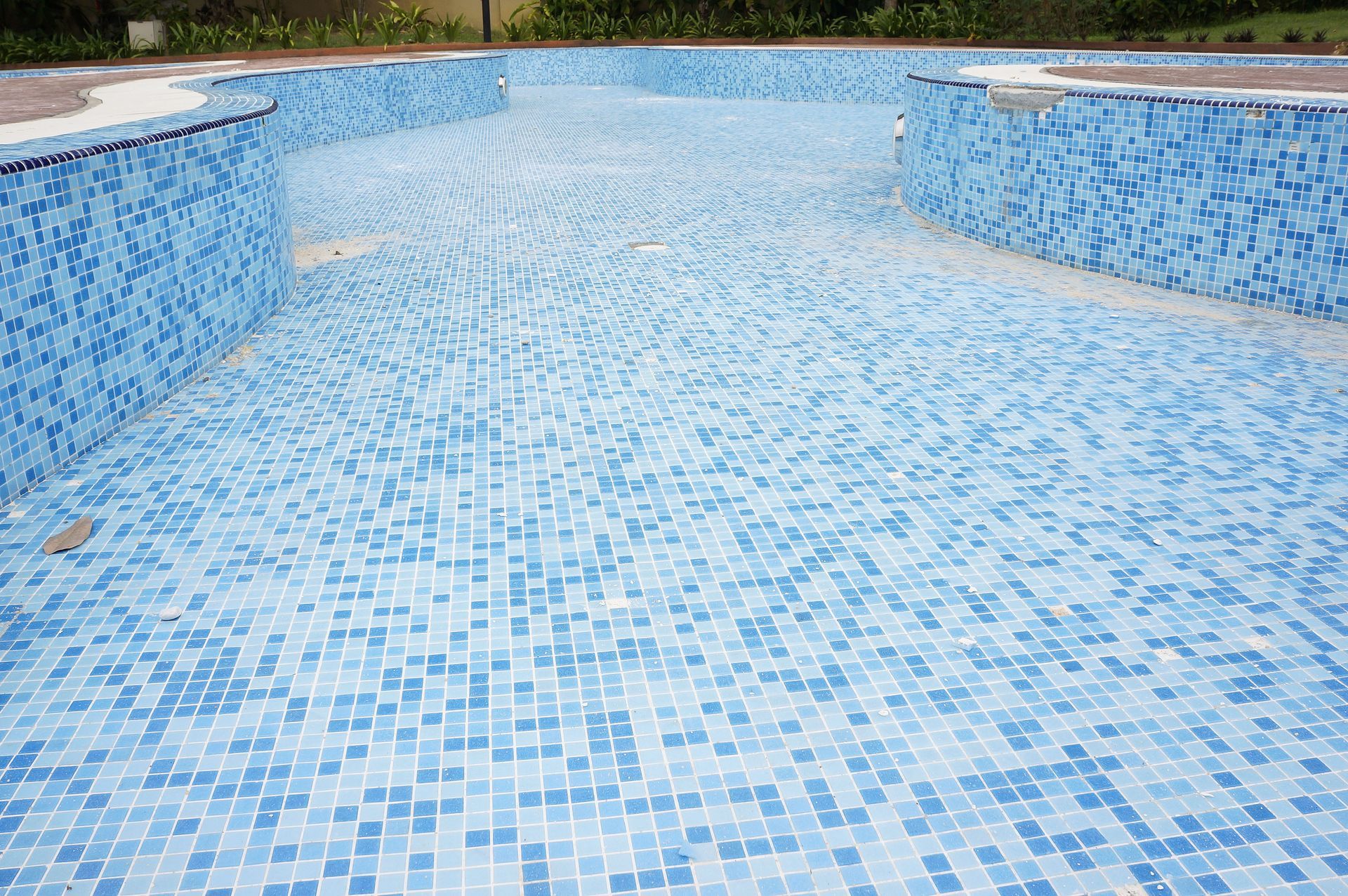
One of the most noticeable benefits of restoring pool plaster and tile is creating a more comfortable swimming environment. Over time, plaster can become rough, uneven, or deteriorated, making the pool less enjoyable to use. Worn surfaces may irritate swimmers' feet and create uncomfortable areas along steps, benches, and other frequently used sections.
A professional pool replastering service can address these issues by removing damaged material and applying a fresh interior finish. Homeowners can choose from different plaster options to achieve their preferred appearance and texture.
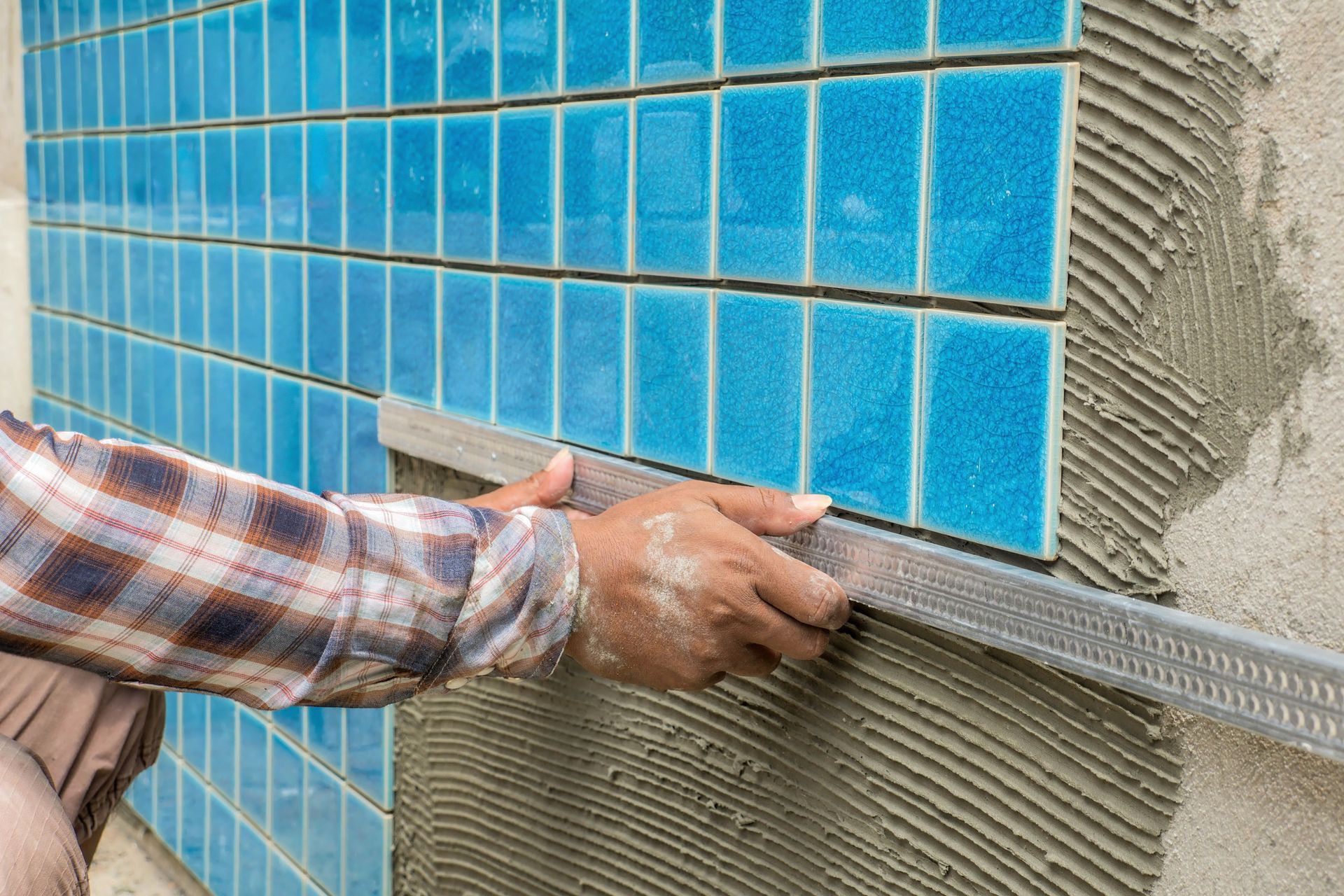
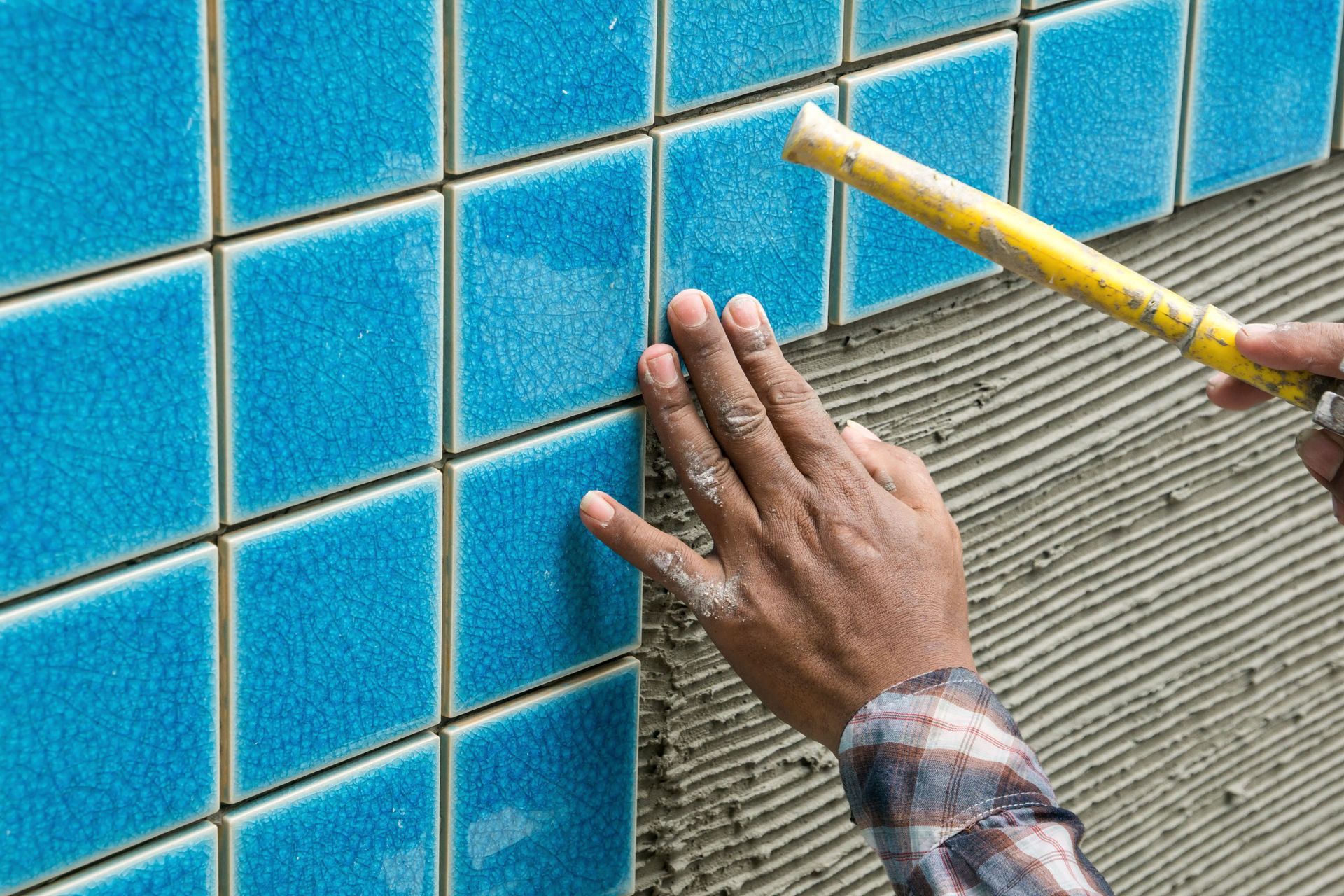
Restoring worn tile also helps improve the swimming experience. Damaged, loose, or missing tiles can create sharp edges and uneven areas around the waterline. Replacing these sections helps create a smoother, more attractive finish while addressing potential safety concerns.
2. Protecting the Pool's Underlying Structure
Pool plaster does more than provide an attractive interior finish. It also serves as a protective layer over the underlying pool shell. When plaster begins to deteriorate, cracks, chips, and exposed areas may develop, allowing water to interact with the structure beneath the finish.
Although not every surface imperfection indicates structural damage, ignoring significant deterioration can contribute to more extensive problems over time. Water infiltration, persistent cracks, and damaged areas should be evaluated to determine whether additional repairs are necessary.
A professional pool replastering service helps restore the interior surface and address areas of deterioration before they become more complicated. Depending on the pool's condition, restoration may involve removing damaged plaster, preparing the underlying surface, and applying a new finish. Taking care of these issues can help homeowners protect their investment and reduce the likelihood of more extensive restoration work in the future.
3. Simplifying Routine Pool Maintenance
A deteriorating pool surface can make regular cleaning and maintenance more challenging. Rough plaster, damaged tile, and accumulated mineral deposits may create areas where dirt, algae, and other debris collect more easily. Restoring these surfaces can create a smoother interior that is easier to brush and maintain. Replacing damaged waterline tile can also help eliminate areas where buildup becomes particularly noticeable.
A properly maintained finish can make several routine tasks easier, including:
- Brushing the pool walls and floor.
- Removing algae and other surface buildup.
- Cleaning the waterline and surrounding tile.
- Monitoring changes in the plaster's condition.
- Maintaining a consistent appearance throughout the pool.
While a new finish does not eliminate the need for regular cleaning, it can make maintenance more manageable. Homeowners should continue to monitor water chemistry and follow recommended cleaning schedules to protect the restored surfaces.
4. Refreshing the Pool's Appearance and Backyard Design
Pool plaster and tile significantly influence the overall appearance of an outdoor living space. Faded finishes, stained surfaces, and outdated tile can make an otherwise attractive backyard look neglected.
Restoration gives homeowners an opportunity to update the pool's appearance without replacing the entire structure. Different finishes, colors, and tile designs can create a more cohesive look that complements the surrounding landscaping, patio, and outdoor features.
Advanced Plaster & Tile offers several interior finish options, including traditional plaster, mini-pebble, and quartz finishes. Each option provides a different appearance and texture, allowing homeowners to select a style that fits their preferences.
New waterline tile can also introduce additional color and visual interest. Coordinating the tile with the pool finish and surrounding deck helps create a more polished outdoor environment.
5. Supporting Long-Term Property Value
A swimming pool can contribute to a property's overall appeal, particularly when it is well-maintained and complements the surrounding outdoor space. However, a pool with deteriorating plaster, damaged tile, and visible wear may create concerns for prospective buyers.
According to HomeGuide, most residential in-ground swimming pools cover approximately 300 to 400 square feet and have a deep-end depth of around 6 to 7 feet. With a substantial surface area exposed to regular use and environmental conditions, maintaining the pool's finish is an important part of protecting the investment.
A professional pool replastering service can help restore the pool's appearance and demonstrate that the homeowner has taken steps to maintain the property. Updated surfaces may also make the backyard more appealing to potential buyers who value functional outdoor amenities. Although restoration does not guarantee a specific increase in property value, maintaining the pool's condition can help preserve its appeal and reduce concerns about visible deterioration.
6. Reducing the Risk of More Extensive Repairs
Small surface problems can become more complicated when homeowners postpone necessary restoration. Minor cracks, loose tiles, and deteriorating plaster may worsen when exposed to water, chemicals, and fluctuating temperatures.
Addressing these issues early can help homeowners avoid more extensive work later. For example, replacing loose or missing tiles can help prevent further damage to other sections. Similarly, restoring deteriorated plaster can address surface problems before they spread across larger areas.
A professional inspection can help identify which areas require attention and determine the appropriate restoration approach. Depending on the condition of the pool, the work may include:
- Removing damaged plaster and preparing the surface.
- Applying a new interior finish.
- Replacing loose, cracked, or missing tile.
- Repairing damaged coping around the pool's edges.
- Evaluating areas that may require additional attention.
A timely pool replastering service can help restore worn surfaces while allowing homeowners to address multiple concerns as part of a planned improvement project.
7. Creating a More Enjoyable Swimming Environment
A pool should provide a comfortable and inviting place for homeowners, family members, and guests to enjoy. When the interior finish is rough, the tile is damaged, or the waterline looks stained, the overall swimming experience can become less appealing.
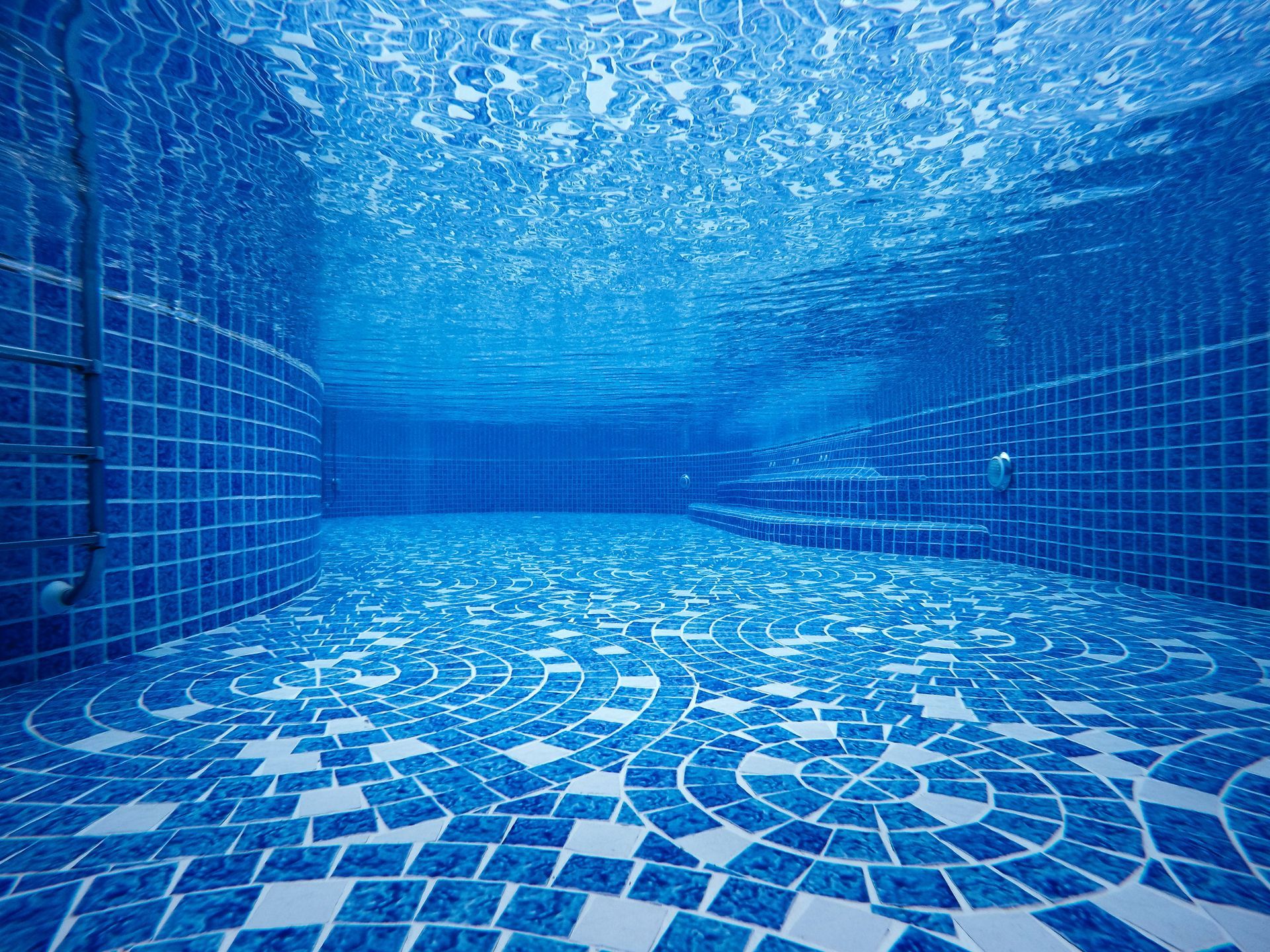
Restoring the plaster and tile can help bring new life to the pool and make the space more enjoyable. Smooth surfaces, attractive finishes, and properly installed tile contribute to an environment that feels cleaner and more inviting. A professional pool replastering service can help eliminate rough areas and restore a more consistent surface, making the pool more comfortable for swimmers. Updated tile can also improve the appearance of the waterline and help create a polished finish.
These improvements can also encourage homeowners to make greater use of their outdoor space. Whether hosting gatherings, swimming for exercise, or relaxing during the warmer months, an attractive and functional pool can become an even more valuable part of everyday life.
Maintaining Your Pool With Professional Restoration
Restoring pool plaster and tile offers benefits that extend beyond improving the pool's appearance. From protecting the underlying structure and simplifying maintenance to improving comfort and supporting property appeal, timely restoration can help homeowners preserve their investment. A professional pool replastering service can also help address worn surfaces, replace damaged materials, and create a finish that better supports the pool's long-term use. Choosing the right restoration approach helps ensure the work meets the pool's specific needs.
Working with experienced professionals also helps ensure the appropriate materials and restoration methods are selected for the pool's condition. Contact Advanced Plaster & Tile today to schedule an estimate and learn how its professional pool restoration services can help refresh and protect your swimming pool.
Share On: