

Pool Replastering Prep: 6 Things to Fix Before Your Pool Gets a Fresh Finish
Upgrading a swimming facility brings renewed beauty and long-term durability to outdoor living environments. Preparing an aquatic retreat requires careful attention to detail before applying a brand-new surface layer. Proper preparation ensures that fresh finishes adhere correctly and last for decades without unexpected surface failures.
Beginning a full pool replastering project offers property owners an ideal moment to address underlying structural and mechanical vulnerabilities. Resolving hidden issues before placing fresh coatings protects financial investments and prevents costly surface teardowns later. Taking proactive steps ensures smooth application and delivers flawless results.
According to the USA Pool Industry, there are an estimated 5.7 million in-ground pools and approximately 5.5 million above-ground pools across the U.S. Maintaining these aquatic facilities requires regular maintenance and timely resurfacing. Ensuring structural readiness before applying surface finishes guarantees lasting enjoyment for property owners nationwide.
Taking time to prepare the entire surrounding area prevents environmental debris from contaminating fresh plaster coats. Shielding adjacent landscapes and securing outdoor space ensures pristine curing conditions. Methodical planning guarantees a seamless transformation process from start to finish.
1. Repairing Underlying Concrete Shell Cracks
Addressing structural fissures in the concrete vessel represents a critical initial step in surface restoration. Fractures within sub-surfaces allow water to seep behind new coatings, causing delamination over time. Sealing these gaps prevents moisture migration and maintains structural stability.
Partnering with experts skilled in pool replastering allows technicians to inject heavy-duty epoxy or hydraulic cement into deep fractures. Proper structural repairs reinforce the entire vessel foundation before finishing materials are applied. Fixing structural damage ensures that new surface coats remain smooth and intact.
Ignoring minor fractures during resurfacing leads to premature surface peeling and persistent water loss. Structural movement beneath new plaster creates visible surface cracks that ruin fresh aesthetics. Eliminating shell defects protects overall structural integrity for the long haul.
Thorough inspection of the concrete shell helps technicians identify hollow spots that require complete removal. Chipping away weak sections ensures a solid bonding foundation across every inch of the interior. Establishing a solid base maximizes finish lifespan and prevents future hollow patches.
2. Upgrading Outdated Plumbing and Filtration Lines
Replacing aging interior pipe connections before applying new interior finishes prevents destructive leaks later. Older plumbing systems develop hidden pinhole leaks that damage fresh plaster layers from behind. Installing modern pipe connections guarantees efficient water circulation throughout the entire vessel.
Coordinating plumbing repairs alongside a scheduled pool replastering job saves both time and labor expenses. Technicians easily access wall returns, main drains, and skimmer throats while the vessel remains completely drained. Replacing worn plumbing components creates an optimized circulation system for fresh water.
Upgrading circulation lines also optimizes suction power, keeping fresh interior surfaces free from algae accumulation. Clean water flow prevents chemical staining on newly applied plaster finishes. Sound plumbing infrastructure supports pristine water chemistry and long-term surface beauty.
Pressure testing every line ensures that no concealed leaks exist before new finish layers are troweled into place. Identifying plumbing failures early avoids cutting into pristine plaster finishes later to make emergency repairs. Sound piping guarantees efficient filtration for years to come.
3. Replacing Worn Perimeter Waterline Tile
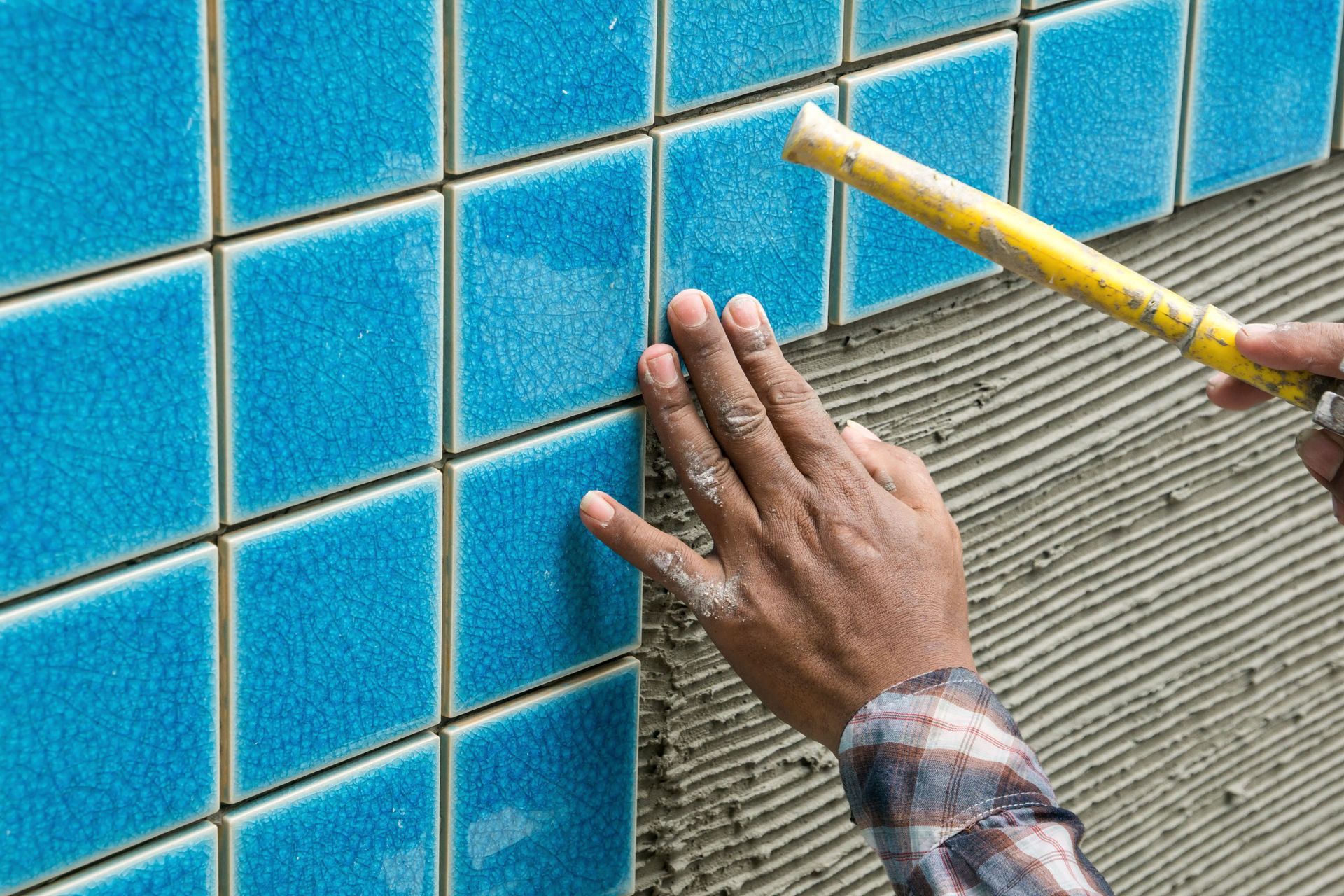
Removing damaged or outdated waterline tiling ensures a clean transition between upper walls and interior finishes. Cracked tiles allow water to penetrate behind backing materials, causing tile loss and plaster deterioration. Installing new tile borders restores crisp lines and prevents water intrusion.
Consulting specialists during a pool replastering endeavor allows homeowners to select modern ceramic or glass tile designs. Proper tile alignment creates an airtight seal along upper interior walls, protecting raw concrete edges. Fresh tile installations frame updated interior colors beautifully.
Old grout lines often harbor persistent algae spores that quickly spread across fresh plaster surfaces. Replacing ancient grout beds completely eliminates embedded contaminants before new materials arrive. Clean tiling environments keep interior water healthy and inviting.
Waterline tiles also absorb body oils, sunscreens, and floating debris that would otherwise stain upper plaster boundaries. Durable tile borders provide an easily scrubbed surface that resists stubborn scum lines. Upgrading perimeter tiles enhances both durability and aesthetic harmony.
4. Fixing Broken Main Drains and Skimmers
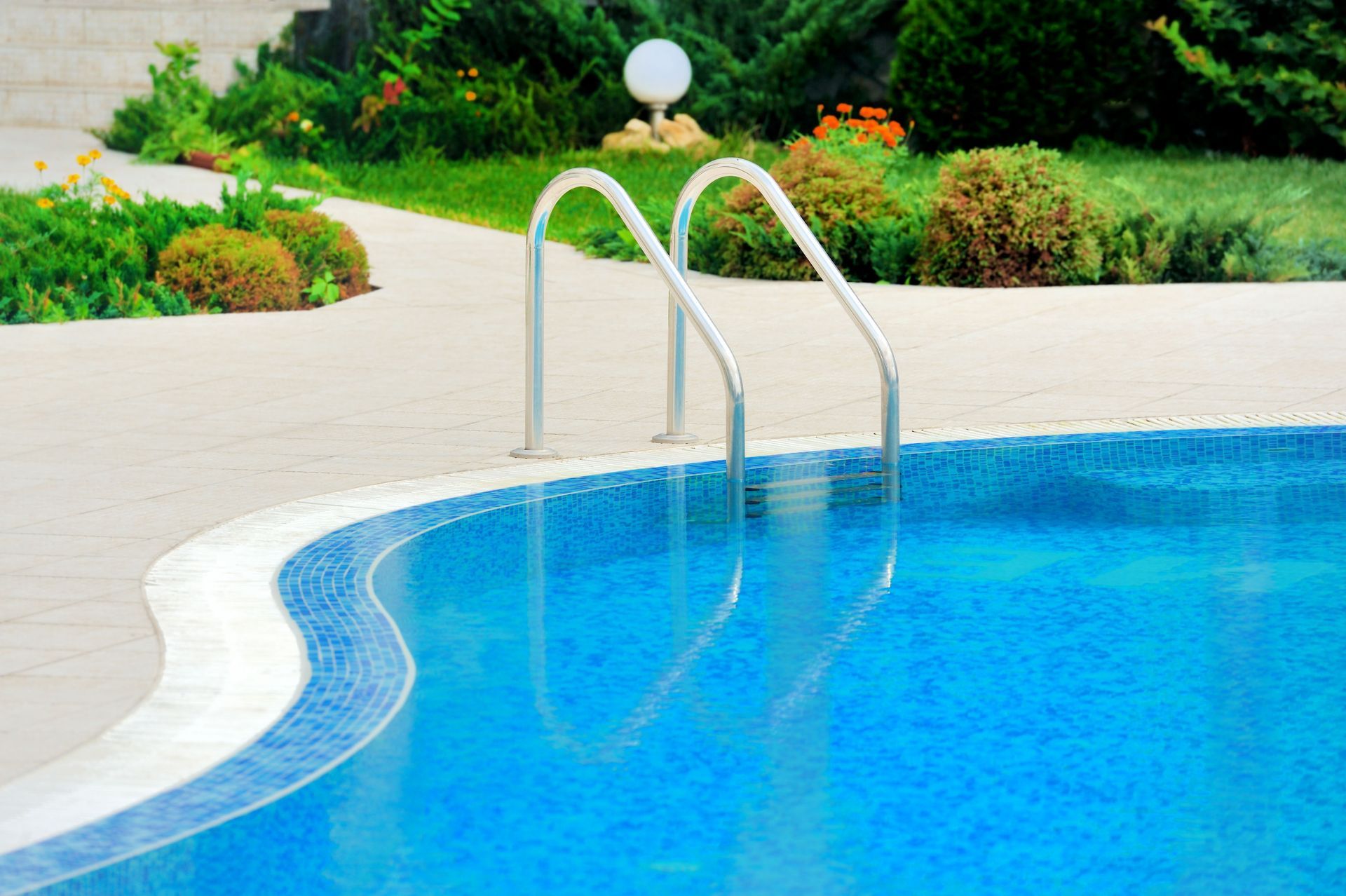
Installing updated main drain covers and skimmer boxes eliminates safety hazards while improving filtration performance. Outdated suction fittings present entrapment risks and often harbor deep structural cracks around their mounting collars. Modern suction components comply with current safety standards while providing superior water intake.
Executing these hardware updates during a pool replastering campaign ensures that new finishes seal tightly around plastic housings. Technicians apply specialized sealants around skimmer throats to prevent water from slipping behind fresh plaster coatings. Tight seals preserve interior water levels effortlessly.
Skimmer boxes with broken faceplates or cracked bodies cause persistent leaks behind upper deck structures. Replacing damaged units prevents deck settling and protects surrounding concrete slabs from soil erosion. Proper skimmer function maintains consistent surface skimming action.
Upgrading to dual main drain systems enhances circulation while meeting strict anti-entrapment safety requirements. Properly installed drain sumps flush debris toward filtration units without creating high-velocity suction points. Safe drain systems provide total peace of mind for swimmers.
5. Leveling Uneven Coping and Deck Edges
Resetting loose coping stones prevents heavy debris from crumbling into fresh interior finishes during application. Unstable border stones shift underfoot, cracking underlying mortar beds and breaking waterlines. Securing coping materials creates a solid boundary around the entire vessel perimeter.
Aligning coping updates with an upcoming pool replastering project guarantees that trowel crews achieve clean, flush edges under coping overhangs. Professional installers apply protective masking tape over new coping edges to keep plaster slurry off natural stone surfaces. Clean boundaries produce high-end visual appeal.
Filling expansion joints between coping stones and adjacent concrete decks prevents freeze-thaw cycles from displacing wall structures. Flexible sealant joints absorb deck movement without transferring stress to interior plaster layers. Sealing perimeter joints preserves structural alignment across all seasons.
Renovating damaged deck edges eliminates rough concrete surfaces that scrape swimmers entering or exiting the water. Smooth deck transitions protect footwear and prevent loose gravel from washing into the pool. Pristine deck borders complete the total outdoor renovation.
6. Updating Submerged Interior Lighting Niche Equipment
Inspecting underwater light niches prevents electrical hazards and water leaks behind new plaster seals. Old metal niches suffer from corrosion, causing seal failures where conduit lines enter the concrete shell. Replacing corroded light housings ensures safe, watertight electrical operation.
Planning electrical upgrades alongside a pool replastering project allows technicians to pull modern, energy-efficient LED fixtures through existing conduits seamlessly. Fresh plaster is troweled smoothly around new niche rings, creating a perfect seal against moisture intrusion. Radiant lighting accentuates fresh interior colors during nighttime swimming.
Faulty light niche seals allow water to travel behind plaster coats, leading to widespread finish detachment near lighting fixtures. Installing new niche seals eliminates hidden leak paths before fresh plaster goes on the walls. Watertight fixtures protect structural integrity and electrical wiring.
Modern LED fixtures consume significantly less energy while providing bright, customizable color options for evening ambiance. Upgrading lighting hardware transforms nighttime aesthetics and creates a captivating backyard atmosphere. Modernized fixtures highlight the rich texture and clarity of new interior finishes.
Transforming your backyard oasis requires experienced craftsmanship, attention to detail, and top-tier materials for lasting results. Contact Advanced Plaster & Tile today to schedule your expert consultation and begin your complete pool transformation!
Share On: